
TEDU CITY Faculty Member Ceren Gamze Yaşar Presented Her Research on Extractive Development and Urban Infrastructure in Mozambique at NGM 2026
Tarih: Date
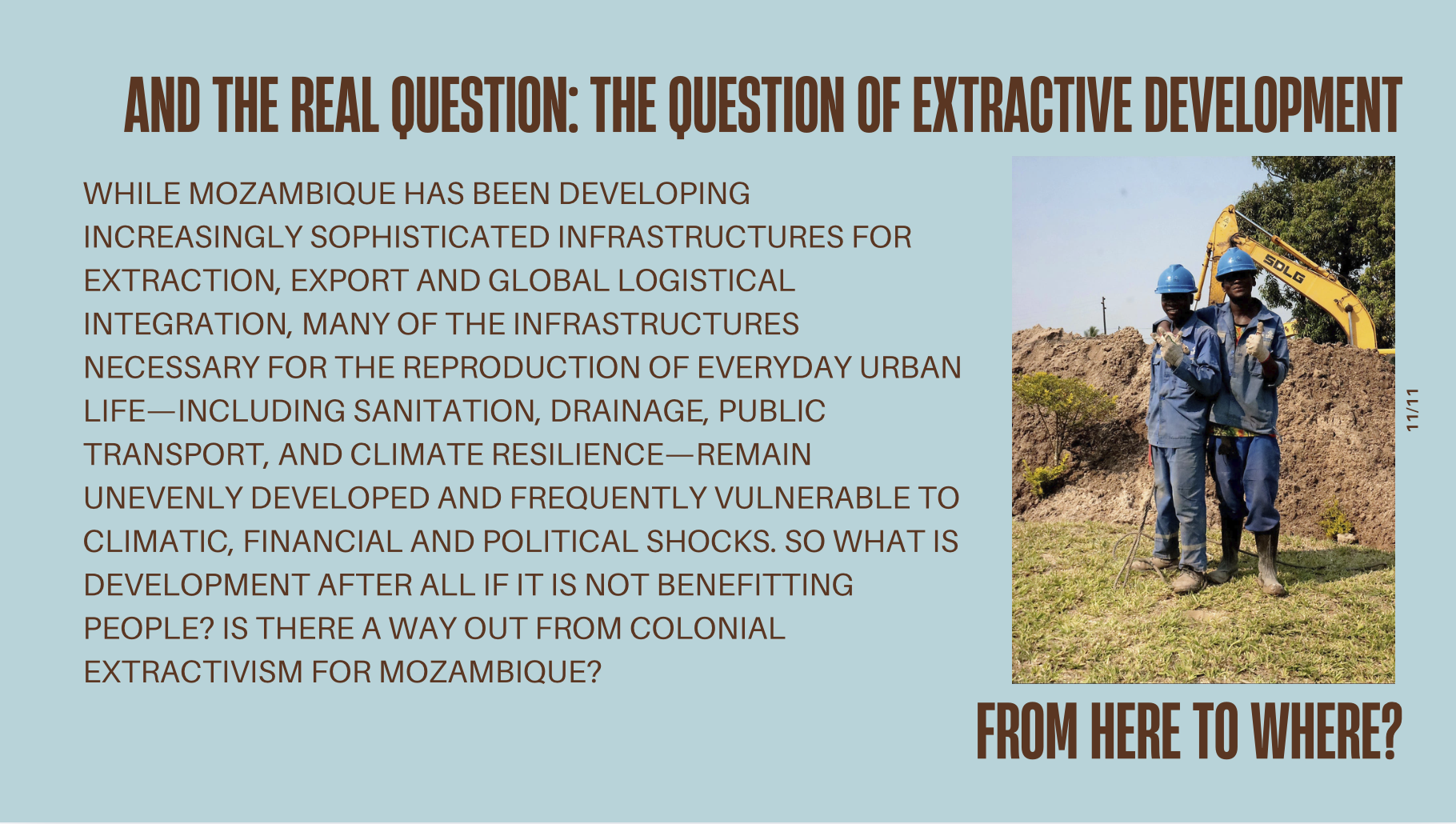
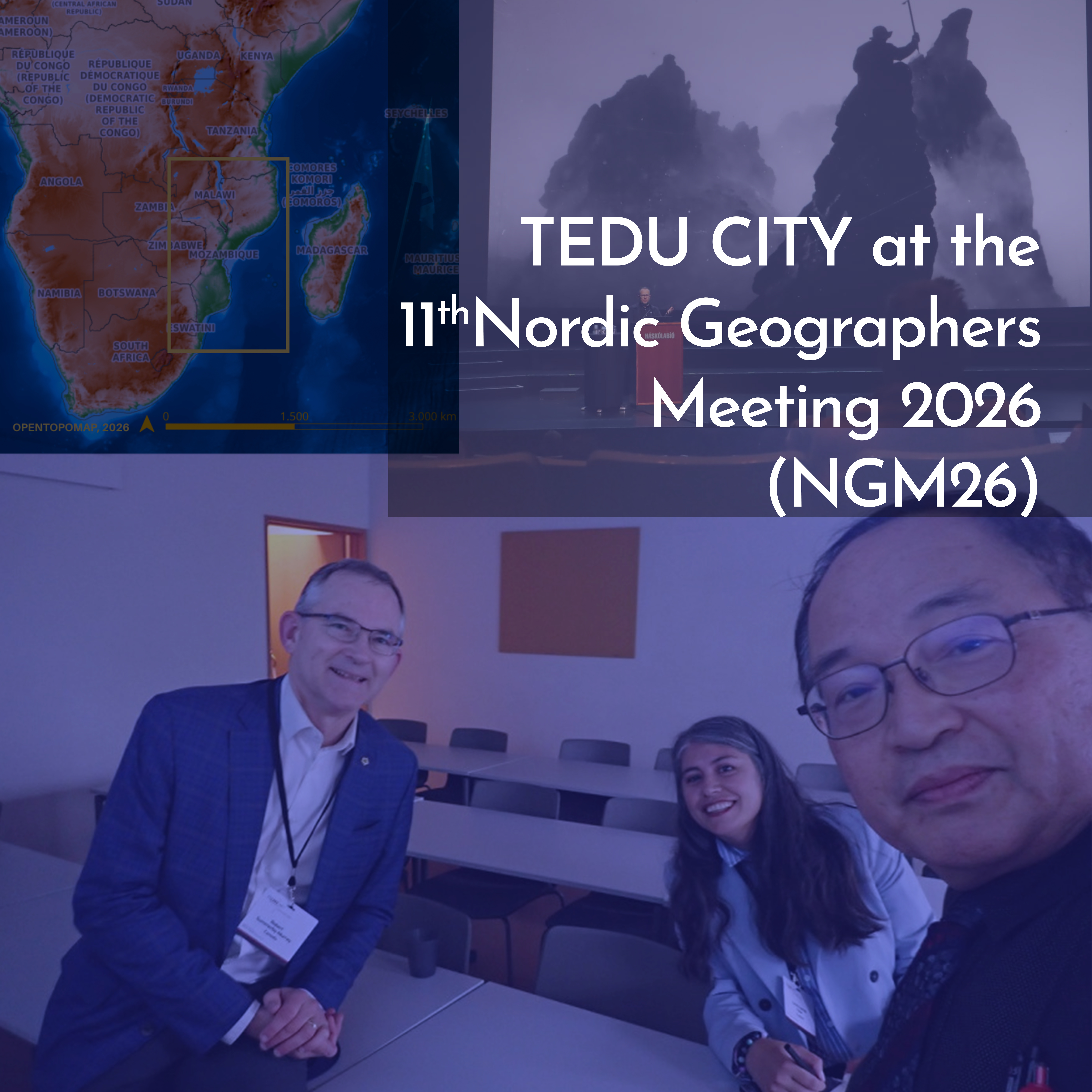
TED University Department of City and Regional Planning faculty member Asst. Prof. Dr. Ceren Gamze Yaşar presented her research titled “Strings Attached at the Verge of Development: Extractive versus Everyday Urban Infrastructure in Mozambique” on 25 June 2026 at the 11th Nordic Geographers Meeting 2026 – Restless Geographies in Reykjavík. The study examines how Mozambique’s post-2010 natural gas boom has reshaped infrastructure investment and the relationship between extractive infrastructure—particularly LNG and FLNG—and critical everyday urban infrastructure.
Positioned at the intersection of development theory, urban infrastructure, political economy, and climate justice, the research examines how extractive investment, infrastructure finance, debt, armed conflict, and climate vulnerability interact in Mozambique. By contrasting sophisticated infrastructures supporting resource extraction and export with uneven access to water, sanitation, transportation, electricity, and other essential services, the study highlights the uneven spatial and economic consequences of extractive development.
The study ultimately questions what development means when investments in extraction and global integration expand while infrastructures essential to everyday life remain inadequate and vulnerable to climatic, financial, and political shocks. It therefore raises a broader question about whether Mozambique’s gas-led development trajectory can improve everyday life while moving beyond persistent patterns of extractivism and dependency.